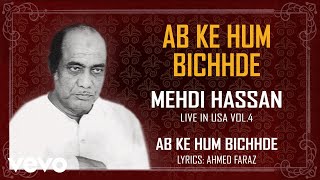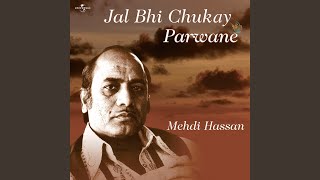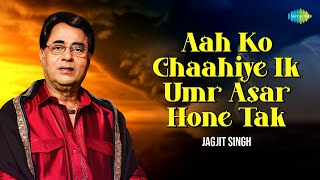
Ghazal
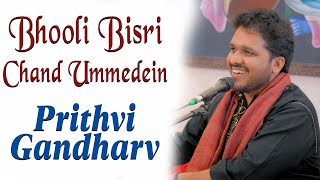
भूली बिसरी चंद उम्मीदें चंद फ़साने याद आये
तुम याद आये और तुम्हारे साथ ज़माने याद आये
ठंडी सर्द हवा के झोंके आग लगाकर छोड़ गये
फूल खिले शाखों पे नये और दर्द पुराने याद आये
तुम याद आये और तुम्हारे साथ ज़माने याद आये
ठंडी सर्द हवा के झोंके आग लगाकर छोड़ गये
फूल खिले शाखों पे नये और दर्द पुराने याद आये
There is someone who comes to mind without warning — not always, but in the quiet moments when a cold breeze carries the smell of something familiar, or when something new and bright blooms and you notice it alone. It is not grief exactly. It is the particular ache of a person who once made ordinary things feel remarkable, and who, in leaving, made remarkable things feel ordinary again. These lines say what I have not been able to.
The ghazals here are the ones that have stopped me mid-sentence — a single sher that said in two lines what I hadn’t been able to say in years.