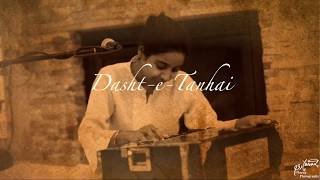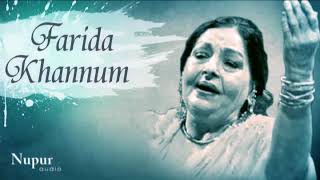
Nazm
वक़्त की क़ैद में ज़िंदगी है मगर
चंद घड़ियाँ यही हैं जो आज़ाद हैं
उन को खो कर अभी जान-ए-जान
उम्र भर न तरसते रहो
चंद घड़ियाँ यही हैं जो आज़ाद हैं
उन को खो कर अभी जान-ए-जान
उम्र भर न तरसते रहो
Time takes everything eventually. But right now, in this moment, you are free. To walk away from this — from the only freedom time allows — is not a small thing. It becomes a weight you never set down. Not loud, not visible. Just there — every day, for the rest of your life.
The nazms here are the ones that stayed whole — not a line I remember, but an entire feeling I return to.